
A Family Guide to Understanding Personal Care Services for Aging Loved Ones

Personal care at home helps seniors stay independent with daily support and care.
As parents, grandparents, and other older loved ones age, families often face important decisions about care and support. While many seniors want to remain in their own homes for as long as possible, everyday activities can become more difficult due to physical limitations, chronic health conditions, cognitive changes, or general age-related challenges.
Personal care at home is designed to assist older adults with activities of daily living while allowing them to continue living safely and comfortably in familiar surroundings. Rather than replacing independence, these services often help preserve it by providing assistance with tasks that have become difficult or unsafe.
Understanding what personal care services include—and how they help seniors maintain their independence—can make it easier to determine when additional support may be beneficial.
What Is Personal Care at Home?
Personal care at home focuses on helping seniors with non-medical activities that support daily living, comfort, and overall well-being.
Unlike skilled nursing care, personal care at home providers do not involve medical treatments or clinical procedures. Instead, they provide practical assistance with the activities many people perform every day.
Common personal care services include:
- Bathing assistance
- Personal hygiene support
- Dressing assistance
- Grooming
- Toileting and incontinence care
- Mobility assistance
- Transfer assistance
- Meal preparation
- Eating assistance
- Medication reminders
- Light housekeeping
- Laundry assistance
The specific services provided depend on the individual’s needs and abilities.
Why Daily Support Services Matter
Many seniors experience gradual changes that make daily routines more challenging.
Simple tasks such as getting dressed, preparing meals, or taking a shower may require more effort than they once did. While family members often step in to help, these responsibilities can become difficult to manage as care needs increase.
These services provide structured support that helps seniors continue their routines while reducing stress for family caregivers.
The primary goals of personal care at home include:
- Promoting safety
- Preserving independence
- Supporting physical health
- Enhancing quality of life
- Reducing caregiver burden
- Helping seniors remain at home
For many families, these services offer a balance between independence and support.
Assistance with Bathing and Hygiene
Bathing and personal hygiene are among the most common areas where seniors need assistance.
Physical limitations, balance concerns, and fear of falling can make bathing difficult or unsafe.
Personal care at home providers may help with:
- Showering or bathing
- Hair washing
- Oral hygiene
- Skin care
- Shaving
- Grooming routines
Maintaining good hygiene is important for both health and self-confidence. Assistance allows seniors to remain clean and comfortable while reducing safety risks.
Dressing and Grooming Support
Dressing requires flexibility, balance, coordination, and fine motor skills.
Health conditions such as arthritis or limited mobility can make tasks like fastening buttons, pulling on socks, or choosing appropriate clothing more difficult.
Caregivers may assist with:
- Selecting clothing
- Putting on and removing garments
- Managing shoes and footwear
- Applying compression garments
- Daily grooming routines
This support helps seniors maintain their appearance, confidence, and dignity.
Mobility and Transfer Assistance
Mobility challenges often develop gradually as people age.
Tasks such as getting out of bed, standing from a chair, or walking safely through the home may become increasingly difficult.
Personal care at home services frequently include assistance with:
- Walking
- Standing and sitting
- Transfers between surfaces
- Navigating stairs
- Using mobility devices
- Fall prevention
These services help reduce injury risks while encouraging continued activity and independence.
Meal Preparation and Nutrition Support
Good nutrition is essential for healthy aging, yet many seniors face obstacles that make meal preparation difficult.
Physical limitations, reduced appetite, cognitive changes, and health conditions can all affect eating habits.
Daily support services may include:
- Meal planning
- Meal preparation
- Eating assistance
- Hydration reminders
- Nutrition monitoring
These services help seniors maintain proper nutrition and support overall health and wellness.
Medication Reminders and Wellness Support
Managing medications can become increasingly complicated as prescriptions and treatment plans change over time.
Caregivers often provide medication reminders that help seniors stay consistent with established schedules.
In addition to medication reminders, caregivers may help support healthy routines by encouraging:
- Regular meals
- Hydration
- Exercise participation
- Personal hygiene
- Appointment attendance
These routines contribute to better overall wellness and help seniors maintain their independence.
Light Housekeeping and Laundry Assistance
Maintaining a clean and organized home can become physically demanding for older adults.
Tasks such as vacuuming, changing linens, washing dishes, and doing laundry may become difficult due to mobility limitations or fatigue.
Personal care at home services often include:
- Light housekeeping
- Laundry assistance
- Bed making
- Changing linens
- Organizing living spaces
- Taking out trash
A clean environment supports safety, comfort, and overall health.
Who Benefits from Personal Care Services?
Personal care services can benefit seniors facing a wide range of circumstances.
Common situations include:
- Recovery from surgery
- Chronic health conditions
- Arthritis
- Mobility limitations
- Balance concerns
- Memory loss
- Difficulty managing daily activities
- Increased risk of falls
Support needs vary significantly from person to person. Some individuals require only occasional assistance, while others benefit from more comprehensive daily support.
Signs a Loved One May Need Additional Help
Families often wonder when it is time to consider personal care at home.
Some common warning signs include:
- Difficulty bathing independently
- Wearing the same clothing repeatedly
- Frequent falls or near falls
- Missed medications
- Weight loss
- Household neglect
- Increased confusion
- Difficulty preparing meals
- Poor personal hygiene
- Caregiver stress
Recognizing these signs early can help prevent accidents and support a higher quality of life.
Benefits for Family Caregivers
Personal care services do not only benefit seniors. They also provide important support for family members.
Many caregivers juggle responsibilities such as:
- Full-time employment
- Parenting
- Household management
- Transportation
- Medical appointments
Over time, these responsibilities can become overwhelming.
Professional personal care at home support can reduce caregiver burden by helping with daily activities and household responsibilities, allowing families to focus on spending meaningful time together.
Supporting Aging in Place
Most older adults prefer to remain in their own homes as they age.
These services make that goal more achievable by addressing daily challenges before they become major obstacles.
With the right level of support, many seniors can continue enjoying familiar surroundings, established routines, and a greater sense of independence.
Families often discover that personal care at home provides the right balance of support and independence for an aging loved one.
Final Thoughts
Understanding personal care at home services is an important step for families who want to help aging loved ones remain safe, comfortable, and independent. From bathing and dressing assistance to meal preparation, mobility support, and housekeeping, these services address many of the challenges that can arise with aging.
Personal care at home provides practical, non-medical support that helps seniors maintain their quality of life while continuing to live in familiar surroundings. By learning what these services include and recognizing when they may be beneficial, families can make informed decisions that support both their loved ones and themselves.
If you or an aging loved one are considering Personal Care at Home in Belgrade, MN, please contact the caring staff at Alternative Senior Care today.
Providing Home Care in Central Minnesota and Surrounding Communities. Call us today at (320) 352-3350

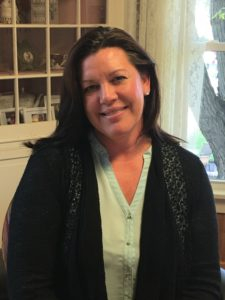
Lainie recalled her favorite subject in school was Home Economics,
“I always loved cooking, cleaning, organizing the home, and caregiving; all the things we do best at Alternative Senior Care!”
"I’ve learned a lot from my experiences for the past 30 years, caregiving for seniors, children and family members. Being a part of Alternative Senior Care is a privilege for me because I feel every day is an opportunity to find ways to bless others, especially in my own community. Overseeing our day-to-day operations at Alternative Senior Care, allows me to make sure our values and mission statement is implemented in all that we do to make each client feel safe, comfortable, and cared for in their own home. “
- A Family Guide to Understanding Personal Care Services for Aging Loved Ones - June 26, 2026
- Where Should Seniors Start With Decluttering? - June 5, 2026
- Home Care Assistance Helps Seniors With Lung Disease Live Independently - May 26, 2026